Running ERP Primavera on a manufacturing floor in 2026 exposes every weak link in the stack around it — the network, the point-of-sale or dispatch terminals, and the office tools your planners use to turn a BOM change into a quote. This guide is for the operations lead deciding what to fix first.
- ERP Primavera for manufacturing SMEs only performs if shop-floor network gear keeps pace — buy professional-grade infrastructure, not consumer routers.
- Wintouch POS/ERP licenses (200+ in the catalog) cover dispatch counters and stock rooms alongside Primavera data — Consider for finished-goods tracking.
- Microsoft 365 handles engineering file collaboration and email continuity, not production planning — Buy for admin teams, Skip as an ERP substitute.
- 24-48h nationwide delivery on hardware in 2026 means infrastructure gaps get closed before they stall a Primavera rollout.
Why This Matters
Primavera and Cegid are the two ERP systems most Portuguese manufacturing SMEs land on once spreadsheets and standalone invoicing stop scaling. The software itself gets the attention in sales pitches, but the rollout usually stalls somewhere else: a warehouse Wi-Fi network that drops handheld scanners, a POS terminal at the dispatch counter that doesn't talk to stock, or an email migration nobody planned for.
Voll's catalog sits at that intersection — network gear, POS hardware and Microsoft 365 licensing sold to businesses that already have an ERP decision made and need everything around it to hold up. Browse Voll's B2B catalog before you shortlist vendors for the rest of the stack, because the hardware and licensing choices below only make sense once you know what's already compatible.
Who ERP Primavera Is For in Manufacturing
This is written for owners and operations managers at manufacturing SMEs running 10 to 50 seats of Primavera — small enough that IT is one person's side job, large enough that a dropped connection on the shop floor costs real production time. If your plant runs multiple sites, has a dispatch counter selling finished goods, or needs engineering teams collaborating on drawings and revisions, the criteria below apply directly.
What to Look For in ERP Primavera for Manufacturing SMEs
Production and inventory depth, not just accounting
A lot of ERP shortlists get built around invoicing and payroll, then production planning gets bolted on as an afterthought. For a manufacturing SME, work orders, BOM management and shop-floor inventory tracking need to be first-class, not a module you add later at extra cost and integration risk.
Network gear that survives a shop floor
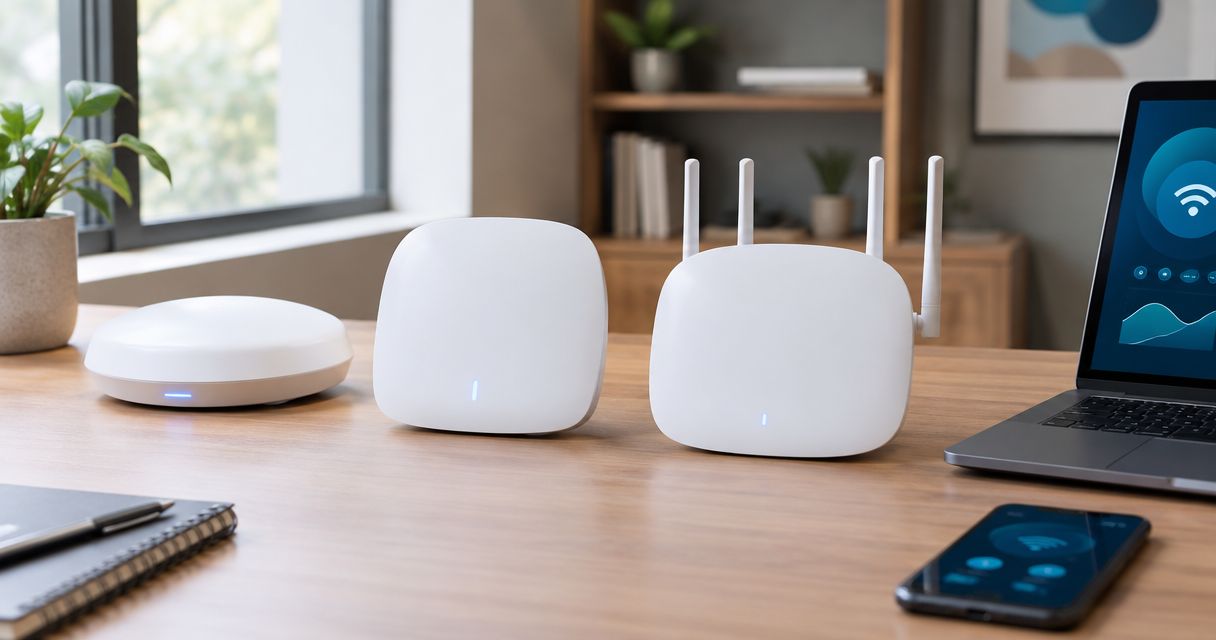
Consumer routers are built for a living room, not a floor with metal shelving, machinery interference and forty devices hitting the same access point. Professional gear from Reyee, Teltonika and Equip is built for exactly that density and that noise floor — the difference shows up as dropped scans and stalled terminals, not as a line item anyone budgets for upfront.
Multi-site and multi-warehouse support
If you run more than one location, Primavera needs to reconcile stock and orders across sites in near real time. A network or ERP setup that only works cleanly for a single warehouse turns into a reconciliation headache the moment you open a second one.
Reporting granularity for shop-floor costing
Generic financial reports tell you revenue and margin at the company level. Manufacturing SMEs need costing broken down by work order and by machine time, because that's where the actual margin leaks happen.
Local implementation and support availability
ERP integration work — Primavera or Cegid — is not a set-and-forget project. Local support that can be on-site or on a call within the day matters more once the system is live and a production stoppage is measured in euros per hour, not in support-ticket SLAs.
Top Picks: Building the Stack Around Primavera
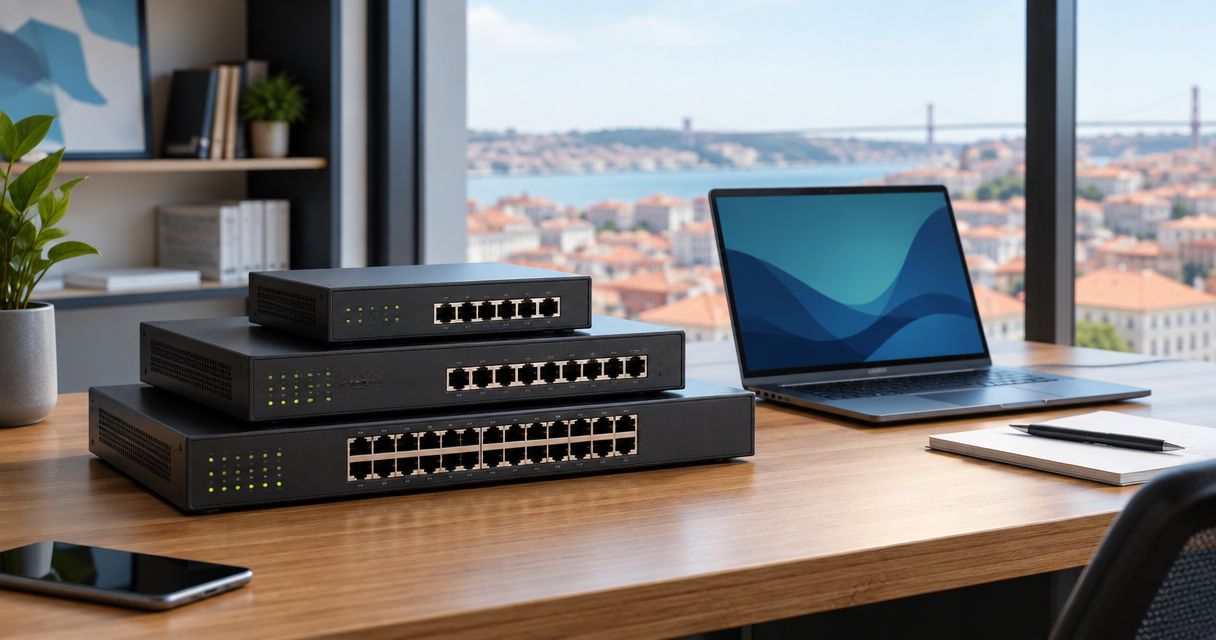
1. Professional network infrastructure — the backbone nobody notices until it fails. Reyee and Teltonika access points and switches are built for continuous industrial use, unlike consumer-grade routers sold for home networks. Verdict: Buy. This is the single most common point of failure in a manufacturing Primavera rollout, and it's the cheapest fix relative to the downtime it prevents.
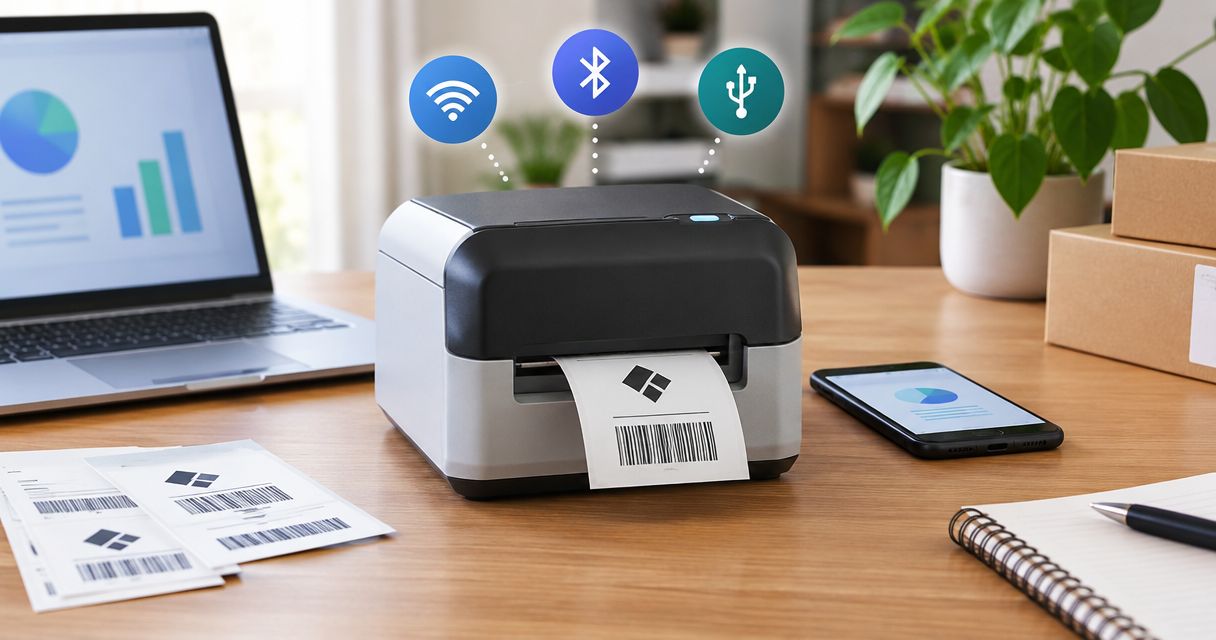
2. Wintouch POS/ERP licensing — the wildcard pick for dispatch counters. Voll's catalog carries more than 200 Wintouch POS/ERP products, and the same Wintouch POS software built for restaurant and retail counters extends naturally to a manufacturer's finished-goods dispatch desk or factory-outlet counter. Verdict: Consider. Skip it if you have no direct-sale counter — it solves a real problem, but only for shops that actually sell on-site.
3. Microsoft 365 for engineering and admin collaboration — the safe pick. Production planners and site engineers who need shared drawings, revision history and email continuity get that from Microsoft 365, not from Primavera itself. If your operation runs closer to a construction-style, multi-site model, the setup described for Microsoft 365 for construction companies maps closely onto a manufacturing plant with a head office and one or more production sites. Verdict: Buy for the admin and engineering layer, Skip as any kind of ERP replacement.
4. Quoting automation layered on ERP data — the pick most SMEs skip. Manufacturing SMEs running Primavera live and die by how fast a quote reaches a client after a spec change on the shop floor. Pairing structured ERP data with a workflow to automatizar orçamentos industriais closes the gap between an engineer revising a bill of materials and a sales rep sending a number the client can act on the same day. Verdict: Buy if quote turnaround is currently measured in days rather than hours.
5. Right-sized Microsoft 365 licensing for the office side. Not every seat in a manufacturing SME needs the same license tier — production floor logins differ from finance and sales. Checking the best Microsoft 365 plan for small businesses before buying blanket licenses for the whole company avoids paying for features half the team never opens. Verdict: Buy, but scope it by role first.
Scope your Primavera-ready stack
Get a tailored quote for network, POS and licensing that fits your plant.
What to Avoid
- Consumer-grade Wi-Fi routers sold as "good enough for a small office." They're rated for a handful of devices, not a shop floor running scanners, POS terminals and back-office PCs on the same network.
- DIY email and file migration when moving to Microsoft 365. Skipping a structured approach to migrating business email and files to Microsoft 365 is how manufacturing SMEs lose historical email threads and shared drawings mid-project.
- Generic accounting software rebranded as "ERP." If it can't handle work orders, BOMs and shop-floor costing, it's bookkeeping software wearing an ERP label — fine for a services business, wrong for a production floor.
“If your ERP can't turn a spec change into a quote the same day, the software isn't the bottleneck — the network and workflow under it are.”
Verdict Comparison Table
| Pick | Solves | Concrete Detail | Verdict |
|---|---|---|---|
| Network infrastructure (Reyee/Teltonika) | Connectivity for scanners, POS, PCs | Built for continuous industrial density | Buy |
| Wintouch POS/ERP licensing | Dispatch counter and stock tracking | 200+ products in catalog | Consider |
| Microsoft 365 (engineering/admin) | File collaboration, email continuity | Multi-site setup, not production planning | Buy for admin, Skip as ERP |
| Quoting automation on ERP data | Slow quote turnaround | Cuts BOM-to-quote lag | Buy |
| Right-sized M365 licensing | Cost per seat | Role-based tiering | Buy |
FAQ
Is ERP Primavera good for manufacturing SMEs in 2026?
Yes, Primavera handles production planning, BOM management and shop-floor inventory when the edition and modules match manufacturing needs, not just accounting. The gap most SMEs hit is the infrastructure and hardware around it, not the ERP core itself.
What network equipment does a Primavera manufacturing rollout need?
Professional-grade access points and switches from brands like Reyee and Teltonika, not consumer routers. A shop floor with dozens of scanners, terminals and machines needs gear rated for that density and industrial interference.
Can Wintouch POS run alongside ERP Primavera?
Yes, Wintouch POS/ERP licensing covers dispatch counters, stock rooms and till operations that complement Primavera's core production and financial data, particularly for manufacturers with a direct-sale counter.
Does Microsoft 365 replace an ERP system for manufacturing?
No. Microsoft 365 covers email, file collaboration and office productivity for engineering and admin teams; it does not manage production planning, BOMs or shop-floor costing, which stay inside the ERP.
How fast can manufacturing SMEs get hardware installed in 2026?
Nationwide delivery on network and POS hardware runs 24-48h in 2026, which means infrastructure gaps identified during an ERP rollout get closed within days, not weeks.
Is ERP Primavera better than Cegid for manufacturing SMEs?
Both handle manufacturing workloads in Portugal; the right pick depends on existing accountant relationships, integration needs and available local support rather than one system being universally superior.
What's the biggest mistake manufacturing SMEs make when deploying Primavera?
Treating the ERP as a standalone project and underestimating the network, POS and licensing work needed around it, which is where most rollouts stall in 2026.
One Last Thing
The most overlooked line item in a manufacturing Primavera rollout isn't a software module — it's the access point sitting above the warehouse shelving that was never rated for the interference a running production line generates. Fix that before touching another ERP setting.